Key Takeaways
- Older homes often provide early clues before a water problem becomes extensive.
- Supply lines, basements, roofs, gutters, and appliances deserve regular attention.
- Knowing how to use the main water shutoff can limit damage during a sudden leak.
- Leak sensors can provide an early alert when nobody is home.
- Water in walls, flooring, insulation, or electrical areas may require professional assessment.
Older homes across Kansas City, Kansas, can offer character, solid craftsmanship, and established neighborhoods. They can also have aging plumbing connections, settled foundations, older drainage layouts, and concealed areas where a small leak can go unnoticed. A practical inspection routine helps homeowners spot trouble before a minor drip reaches flooring, drywall, insulation, or stored belongings.
When a leak becomes more than a small, clean spill, prompt water damage restoration can make a meaningful difference. Frontier Restoration provides emergency water extraction, structural drying, moisture detection, mitigation, and reconstruction support for Kansas City-area homes and businesses, including Olathe, Lenexa, Lee’s Summit, Blue Springs, and Prairie Village. Its focus on locating hidden moisture and drying building materials makes the team a relevant resource when water affects more than the visible surface.
Why Older Homes Need Extra Water Checks
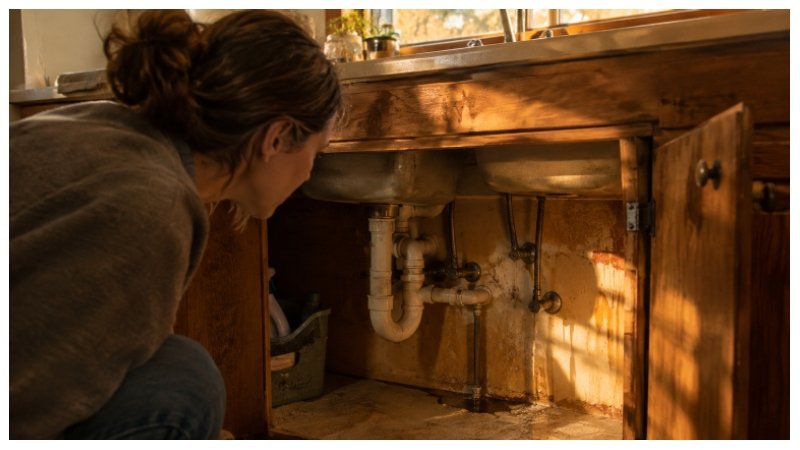
Water does not always announce itself with a burst pipe. It may begin beneath a sink, behind a washing machine, around a foundation wall, or under a bathroom floor. Musty odors, bubbling paint, dark staining, warped boards, soft drywall, and damp cabinet bottoms are all reasons to investigate. These water damage prevention tips are especially useful for homeowners maintaining older properties with original or aging components.
Check One: Find and Test the Main Water Shutoff
The main shutoff is commonly located near the water meter, in the basement, in the utility room, at the crawl space access, or where the service line enters the home. Every adult in the household should know its location and how it operates. Test it carefully once or twice a year, label it clearly, and keep storage away from it. If a washing machine supply line fails, quickly shutting off the water can reduce the amount of water that reaches nearby rooms.
Check Two: Inspect Supply Lines and Appliance Connections
Look under sinks, behind toilets, around water heaters, and behind washing machines. Watch for rust, green corrosion, mineral buildup, bulging hoses, damp flooring, or discoloration around fittings. Older flexible supply lines and washing machine hoses deserve special attention because they can deteriorate without an obvious warning. Replace visibly worn parts rather than waiting for a failure, and avoid overtightening fittings during repairs.
Check Three: Watch Water Pressure and Hidden Leaks
Excessive water pressure can place added stress on pipes, valves, fixtures, and appliance connections. A licensed plumber can test pressure and advise whether a pressure-reducing valve or another repair is appropriate. Also watch for unexplained increases in the water bill, persistent sounds of running water, peeling paint, damp spots, or a water meter that continues moving after all fixtures and water-using appliances are off. A suspected leak inside a wall or below a floor should not be ignored.
Check Four: Inspect the Basement, Crawl Space, and Foundation
Kansas City’s heavy rain events and seasonal temperature swings make below-grade spaces worth checking regularly. Look for damp masonry, puddles, condensation, musty odors, white mineral residue, and new staining after rain. Test the sump pump according to the manufacturer’s instructions, and ensure its discharge carries water away from the foundation. Keep boxes, documents, electronics, and furniture raised off the floor so a small seepage event causes less loss.
Check Five: Keep Roofs, Gutters, and Downspouts Working
- Clear leaves, twigs, and debris from gutters before heavy rain and after major storms.
- Check for sagging sections, loose fasteners, separated joints, and overflowing gutters.
- Confirm that downspouts direct water several feet away from the foundation.
- After rain, look for missing shingles, damaged flashing, dampness in the attic, or stains on the ceiling.
Exterior drainage matters because water that repeatedly pools beside the home can flow toward basement walls, crawl spaces, and foundation openings.
Check Six: Add Leak Sensors in High-Risk Areas
Place leak sensors near water heaters, washing machines, dishwashers, refrigerators with water lines, sinks, toilets, and sump pumps. A basic model can sound an alarm, while connected devices can send a notification to a phone. Automatic shutoff systems may be worth considering for a home that is vacant while the owner is traveling. Early detection cannot repair a pipe, but it can shorten the time water runs unnoticed.
Check Seven: Review Seasonal Risks
Winter
Protect exposed pipes from freezing, disconnect outdoor hoses, and inspect exterior faucets. If a pipe freezes, avoid using an open flame to thaw it and seek qualified help if there is a crack, active leak, or uncertainty about the pipe’s condition.
Spring and Summer
Check the roof, gutters, grading, sump pump, air-conditioning drain line, and condensate pan. Monitor basement humidity and inspect irrigation equipment for leaks or overspray near the foundation.
Fall
Clean gutters before leaf buildup becomes severe, inspect roof penetrations and attic ventilation, and prepare exterior plumbing for cold weather.
What to Do When a Leak Starts
- Keep people and pets away from standing water near outlets, appliances, or electrical panels.
- Shut off the water source only if it is safe to do so.
- Do not enter a room with a sagging ceiling or walk through sewage, groundwater, or stormwater.
- Take photos and video when conditions are safe, then move valuables and furniture away from wet flooring.
- Contact the appropriate plumber, electrician, insurer, or restoration professional based on the situation.
When DIY Cleanup Is Not Enough
Towels and household fans may remove surface moisture, but they may not dry wall cavities, subfloors, carpet padding, insulation, or framing. Professional help is appropriate when water reaches electrical components, contaminated water is involved, several rooms are affected, building materials are saturated, the source is unknown, or odors remain after surface drying. The EPA’s guidance on cleaning mold in the home also emphasizes promptly fixing water problems and completely drying materials.
Questions Homeowners Often Ask
How often should an older home be checked?
Perform a quick visual check each month, complete a more detailed review seasonally, and inspect again after major storms, plumbing work, or a long absence.
Can a small leak cause major damage?
Yes. Slow leaks can affect cabinets, flooring, drywall, insulation, and framing over time, particularly when moisture remains hidden.
Does homeowners insurance cover water damage?
Coverage depends on the cause of the loss, policy language, exclusions, deductibles, and whether flooding or a sudden internal plumbing failure was involved. Document the damage and contact the insurer promptly.
Small Checks Can Prevent Large Repairs
Older homes do not require constant worry, but they do benefit from steady attention. Checking shutoff valves, supply lines, gutters, appliances, and below-grade spaces can reveal issues while they are still manageable. In Kansas City, Kansas, a seasonal routine is a practical way to protect the parts of a home that are hardest to replace. Click here for more Information.