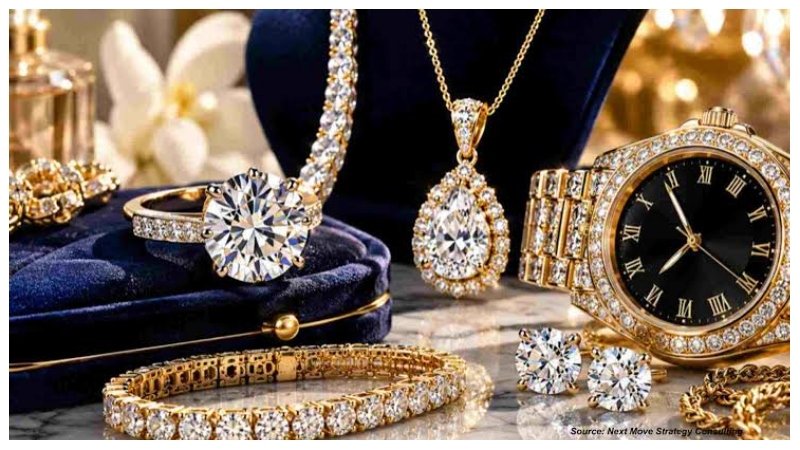
Arizona has long drawn visitors with its dramatic red rock formations, world-class resorts, and a winter climate that feels like a gift. What gets less attention is what those visitors do beyond the hiking trails and hotel pools. A growing pattern has emerged: people arrive for the scenery and leave having made some of the most meaningful purchases of their lives, including luxury jewelry and engagement rings.
A Tourism Economy That Creates Space for Big Decisions
The scale of Arizona’s visitor economy sets the stage. Visitor spending reached $29.7 billion in 2024, a record that reflects not just volume but a shift in how people travel. Visitors are staying longer, spending more per trip, and treating destinations like Scottsdale, Sedona, and Tucson as places to mark life milestones rather than simply tick off a bucket list.
Retail spending accounted for $3.2 billion of that total, a figure covering everything from souvenir shops to high-end boutiques. Luxury jewelry sits firmly in that retail category. And the conditions that make Arizona a compelling travel destination turn out to be the same ones that make it a compelling place to shop for something extraordinary.
The Proposal Economy
Arizona has developed a quiet reputation as a proposal destination. Sedona’s Cathedral Rock at sunset, the South Rim of the Grand Canyon, a private terrace at a Scottsdale resort: these are settings that inspire the kind of moment people plan for months. Couples who arrive with a proposal in mind often come with a ring already purchased, or a purchase firmly on their agenda.
Milestone Travel and Luxury Spending
There is a well-documented relationship between travel and elevated spending. When people step away from their daily routines, they become more open to purchases they would otherwise put off. A couple celebrating an anniversary in Scottsdale is far more likely to walk into a jewelry boutique than they would be on a Tuesday afternoon at home. The emotional weight of the trip does work that no advertisement can replicate.
The Scottsdale Effect
Scottsdale functions as a case study in how resort culture and luxury retail reinforce each other. The city’s concentration of five-star resorts, high-end dining, and upscale shopping creates an environment where significant purchases feel natural. Jewelers in the area have long known that foot traffic spikes during peak travel season, not because of local demand alone, but because visitors tend to be people celebrating something.
What Travelers Actually Buy, and Why It Matters
The jewelry category that benefits most from travel-driven purchasing is bridal. Couples who come to Arizona for a proposal often research their purchase beforehand, but many finalize the decision on the ground, at a retailer, after the emotional experience of the destination has already done its work. A 2026 study by Jewelers Mutual found that 40% of travelers bought jewelry on their trips during the past year, with 58% wearing those purchases home rather than packing them away.
That impulse is not random. Travel creates a sense of occasion, and occasion drives jewelry purchases more reliably than almost any other trigger. For couples planning a proposal, doing the research in advance and then selecting or customizing the ring through a trusted source before the trip is increasingly common. Taking a look at a detailed engagement ring guide can help couples understand exactly what they want in terms of cut, setting, and metal before they ever set foot in a store, which makes the in-person experience faster and more confident.
The Intersection of Experience and Investment
Arizona’s tourism market attracts a demographic that overlaps significantly with luxury jewelry buyers. The state draws a high share of visitors from California, Texas, and the broader Southwest, markets where household incomes and discretionary spending run strong. International visitors, who contributed $3.6 billion in direct spending in 2024, often come from countries with deep cultural traditions around fine jewelry and are accustomed to buying luxury goods while traveling.
Resort properties have recognized this and responded accordingly. Several Scottsdale and Sedona hotels have partnered with local jewelers for on-site trunk shows, private shopping events, and proposal concierge services. The line between hospitality and luxury retail has blurred in ways that benefit both industries. That blurring is not accidental.
Smart Shopping Before, During, and After the Trip
Buying jewelry while traveling requires more preparation than buying it at home. A few practical considerations make the difference between a purchase that becomes a cherished memory and one that becomes a source of regret.
- Research before you go. Understanding the four Cs of diamonds, preferred metal types, and realistic price ranges before arriving at a boutique puts buyers in a far stronger negotiating position.
- Verify the retailer. Whether shopping in person in Scottsdale or finalizing a purchase online before the trip, working with established retailers with transparent return and certification policies matters enormously.
- Account for insurance immediately. Ninety percent of wearers travel with their engagement ring, and most keep it on during activities like cooking, sleeping, and hiking, which means exposure to loss or damage begins the moment the purchase is made.
- Keep documentation. Certificates of authenticity, appraisals, and receipts should travel with the buyer, not stay packed in a checked bag.
Looking Ahead
Arizona’s tourism trajectory points upward, and so does the overlap between destination travel and luxury purchasing. As more couples treat travel as the backdrop for life’s biggest moments, the connection between where people go and what they buy will only deepen. The Grand Canyon will keep drawing visitors. Sedona will keep inspiring proposals. And the jewelry market will keep finding ways to meet people exactly where those moments happen. Click here for more Information.